What Is TMS?
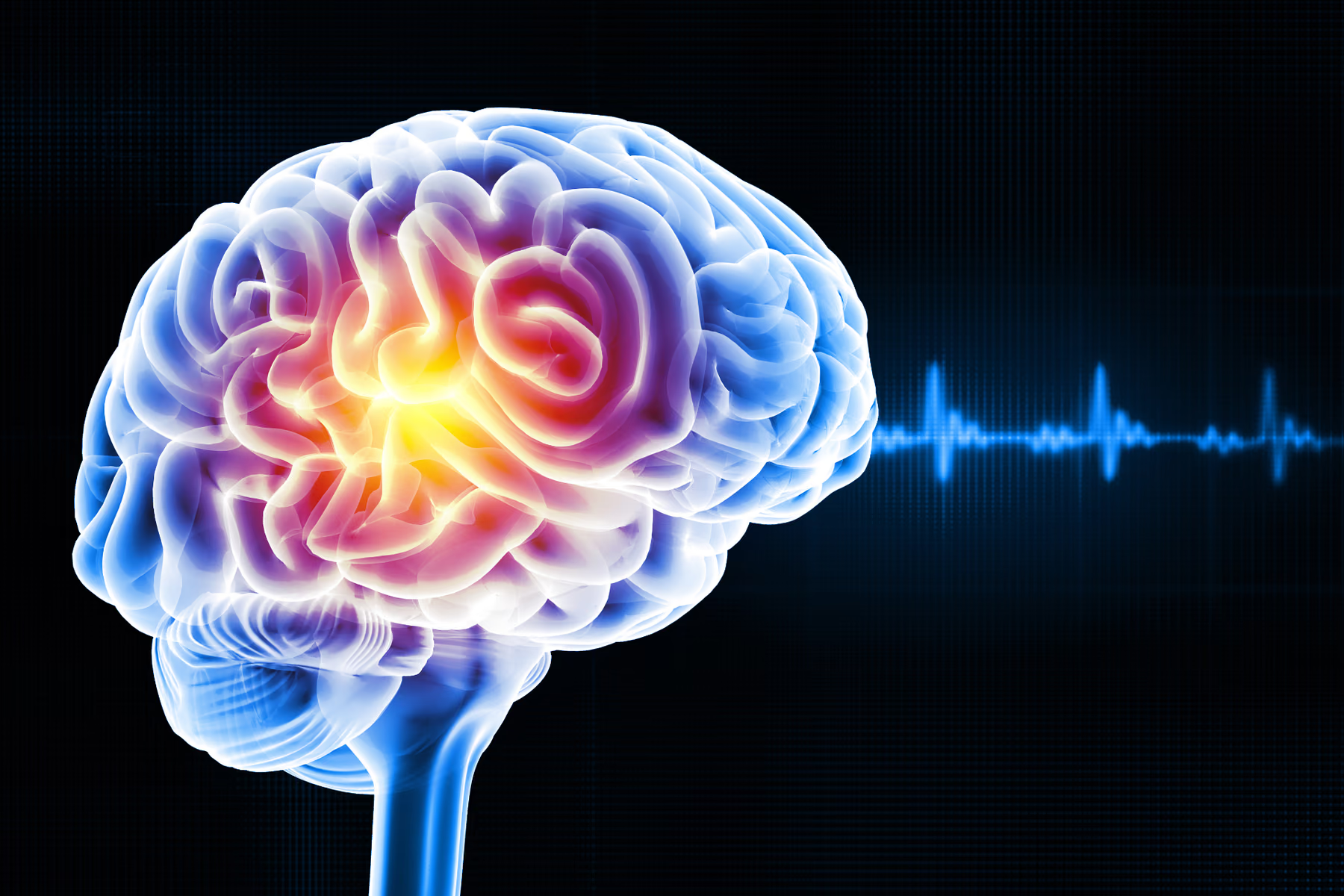
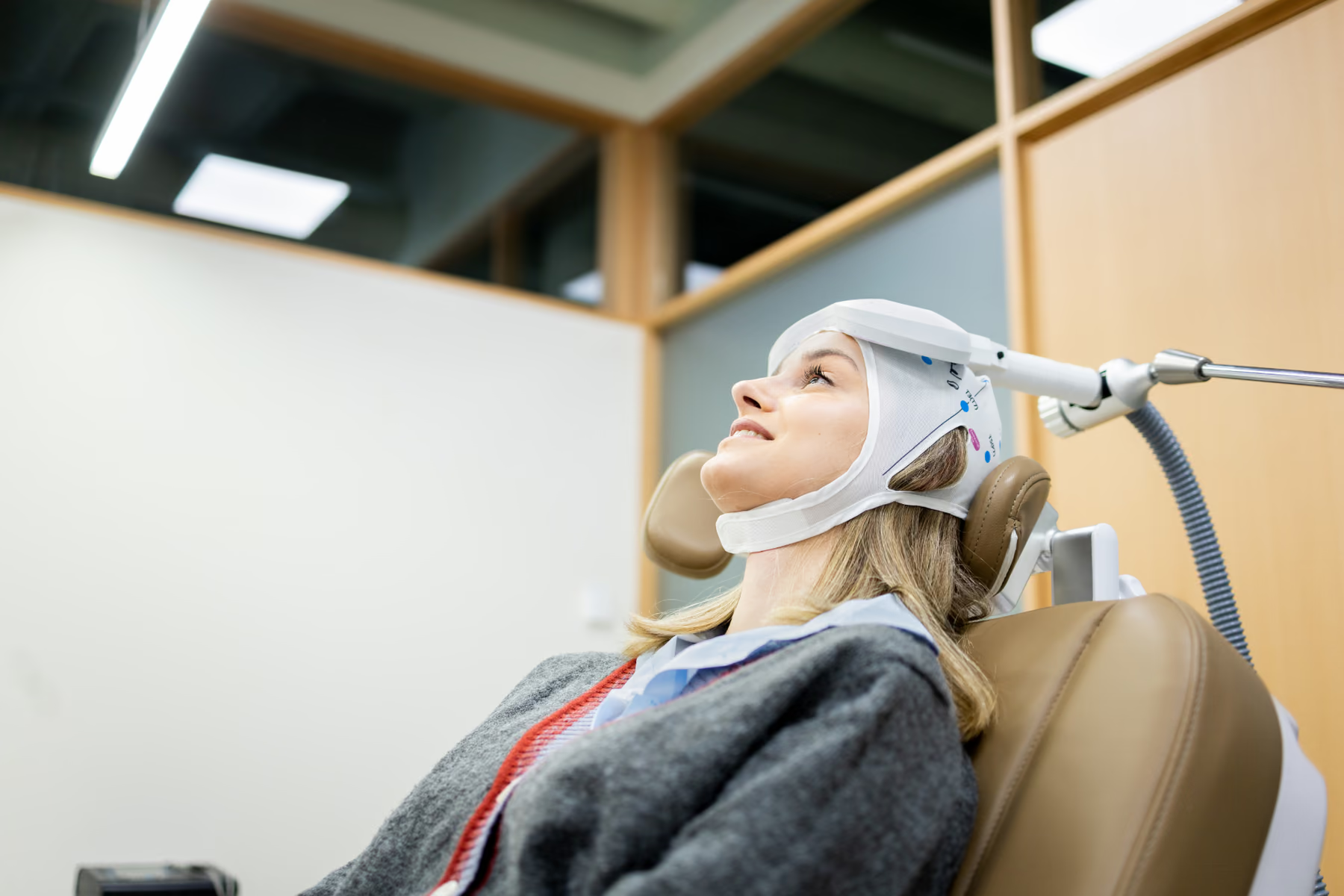
Transcranial Magnetic Stimulation delivers focused magnetic pulses through a coil placed gently against the scalp. The pulses create small electrical currents in targeted areas of the brain that regulate mood, attention and the processing of pain, helping those networks return to healthier patterns of activity.
TMS does not require anesthesia or sedation. Patients are awake and seated throughout each session, and most return to work, school or driving right afterward.
Conditions We Treat With TMS
- Depression, including depression that has not responded to medication
- Anxiety disorders
- Obsessive-compulsive disorder (OCD)
- Post-traumatic stress disorder (PTSD)
- Chronic pain disorders
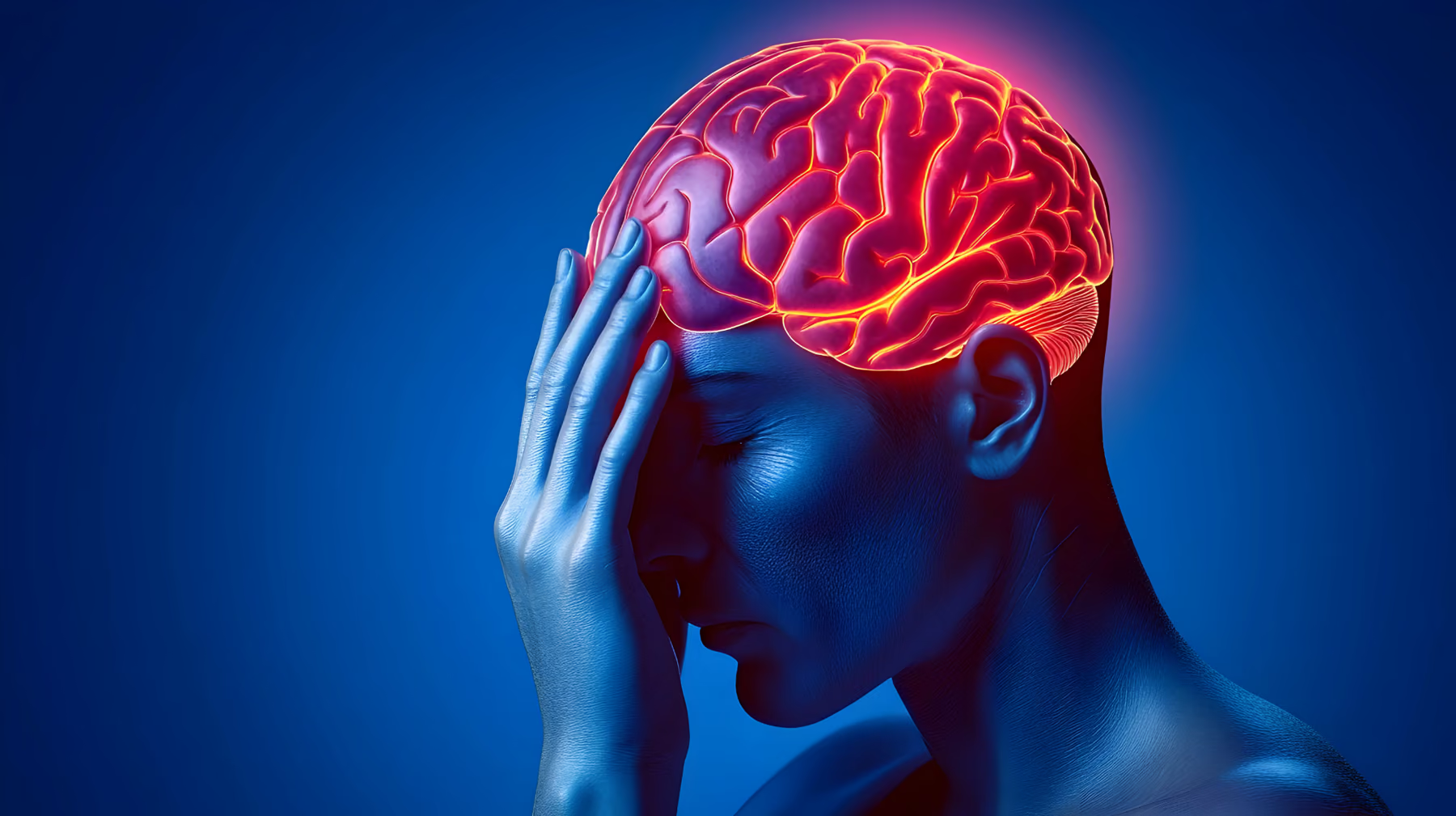
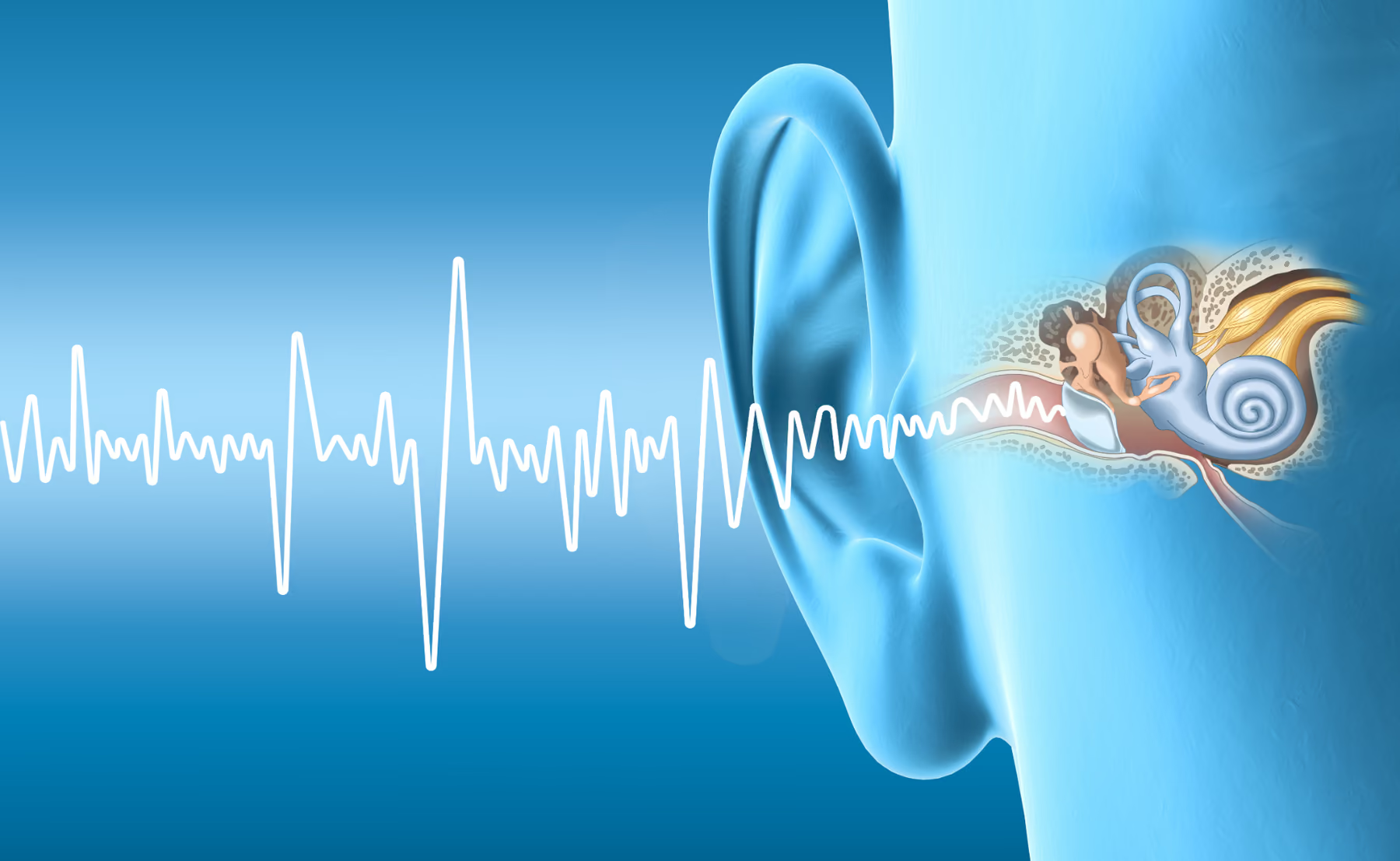
- Tinnitus and the after-effects of brain injury and concussion, case by case
What to Expect
Treatment begins with a neurological evaluation with Dr. Cho to confirm that TMS is appropriate and to choose the treatment target. A typical course is a series of short outpatient sessions over several weeks.
Side effects are usually mild. The most common is a tapping sensation or scalp discomfort during the session, which tends to ease as treatment continues. Because TMS works locally, it does not cause the weight gain, drowsiness or other whole-body effects associated with many medications.